The Psychology of Color: How Different Shades Affect Your Mood and Space Mar 05, 2026
Understanding color psychology begins with knowing that every color carries its own emotional weight and connotations. Warm colors like red, orange, and yellow are known to evoke feelings of warmth and comfort, yet they can also stimulate excitement and vitality. Red, for instance, is a powerful hue that commands attention and can be highly energizing, making it a great choice for spaces that require a lot of activity and energy, such as living rooms or fitness areas. However, too much red can sometimes provoke feelings of anger or tension, so it should be used sparingly in places meant for relaxation.
On the flip side, cool colors like blue, green, and purple are often associated with calm and serenity. Blue is a popular choice for bedrooms and bathrooms due to its soothing nature and ability to evoke feelings of peace and tranquility. It’s also thought to improve productivity, making it a smart choice for a home office. Green, which represents nature and renewal, can bring a refreshing vibe to any space, making it suitable for any room that could use a little boost of life. Purple, though less common, offers a sense of luxury and sophistication and can be a striking choice for an accent wall or a creative studio.
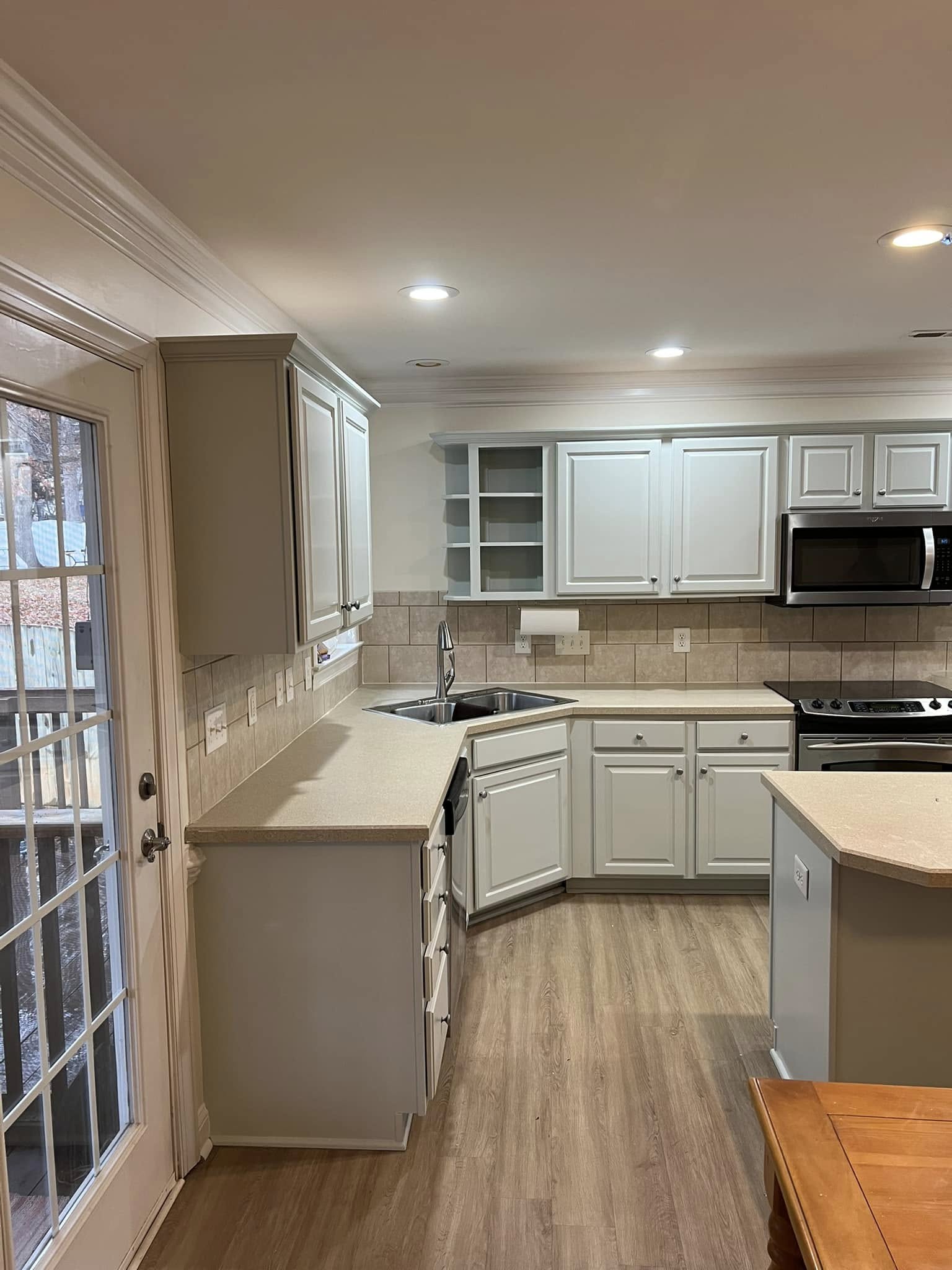
Neutral colors such as white, gray, and beige provide a versatile backdrop that can complement any design style. They create a serene, understated elegance in any room and highlight other elements of interior design, such as furniture or artwork. White is often used to give the illusion of a larger space, making it ideal for smaller rooms or areas with limited natural light. Gray offers a modern yet cozy feel, perfect for living areas and bedrooms, while beige provides a warm foundation that can add a touch of comfort and sophistication.
Choosing the right shade is just as crucial as choosing the right color family. Light hues can make a room appear larger and more open, whereas darker shades can create a more intimate and cozy atmosphere. When selecting paint colors for your home, consider the emotional impact of each color, the function of the space, and how different shades can work together to achieve the desired effect.
At Strive Painting, we help you navigate the myriad of options to find the colors that best fit your personal style and spatial needs. We understand that the right combination of hues can not only enhance the aesthetics of your home but can also contribute to your emotional wellbeing. By comprehending the nuances of color psychology, you can harness the power of paint to transform your space and improve your quality of life.
In closing, the psychology of color is a fascinating realm that can significantly impact how we feel and function within our environments. With a mindful approach to color selection, you can create spaces that inspire joy, calm, and creativity. Trust Strive Painting to guide you through this colorful journey and help turn your home into a canvas that reflects your unique personality and lifestyle.
/filters:no_upscale()/filters:format(webp)/media/d8ff7673-6c86-420e-9a08-29eb71cb9a0f.jpeg)