The Science of Color Psychology: How Paint Colors Affect Mood and Behavior Mar 04, 2026
Color psychology is the study of how colors affect human behavior and emotions. It's not just an art; it's a science that considers cultural, personal, and situational influences. This field offers valuable insights into how we can strategically use colors in our homes and workspaces to improve mood, increase productivity, or simply create a pleasing ambiance.
Let's begin with warm colors. Red is a powerful color that tends to evoke strong emotions. It's often associated with excitement, passion, and even love. Using red in your interior spaces can energize individuals, stimulate conversation, and even make a room feel warmer. However, it's important to use it sparingly because too much red can lead to feelings of agitation or anxiety. Similarly, orange is another vibrant color that encourages enthusiasm and creativity, making it an excellent choice for environments that aim to inspire, such as a creative studio or a playroom.
Yellow, the color of sunshine, is linked with joy, energy, and freshness. Incorporating yellow into your home can create a welcoming and lively atmosphere, ideal for kitchens or dining rooms where you want to promote conviviality and communication. However, it's worth noting that soft, buttery yellows work better in large quantities than bright, intense hues, which can become overstimulating over time.
On the cooler side of the spectrum, blues and greens are known for their calming and serene effects. Blue is famously connected with peace and tranquility. Many people use it in bedrooms or bathrooms to foster a sense of relaxation. Green, on the other hand, symbolizes balance and growth, making it perfect for spaces where you seek harmony, like a home office or meditation space. Green complements well with a variety of other colors, offering versatility in design.
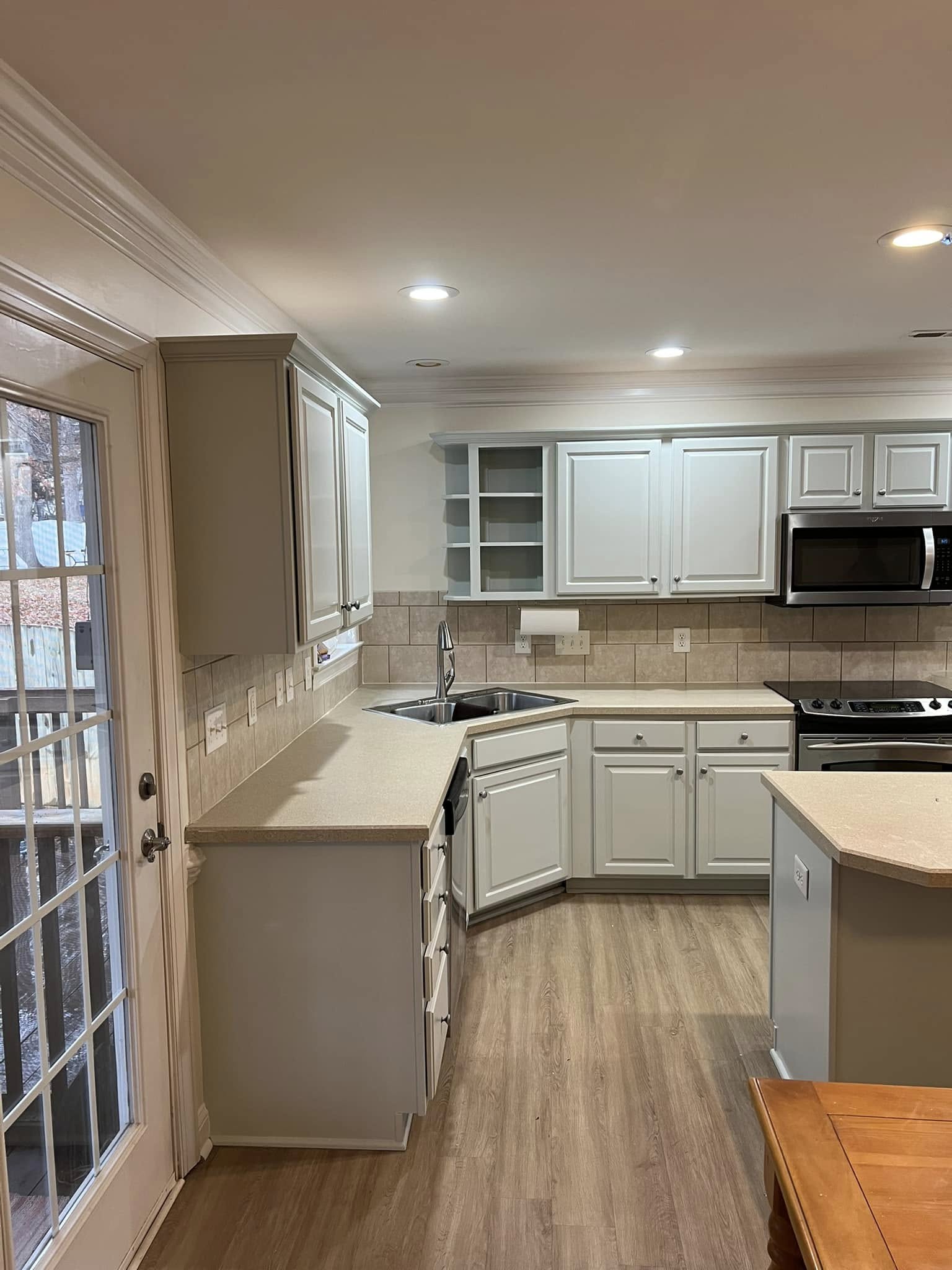
Neutral colors such as whites, grays, and beiges create calmness and sophistication. They serve as a backdrop that allows you to experiment with more dynamic accent colors. White can make spaces feel larger and cleaner but might feel sterile if not balanced with other elements. Gray is elegant and understated, providing depth and richness without overpowering a room.
When choosing paint colors, it's essential to consider not only the emotional effect of each hue but also how they interact with natural light and existing decor. At Strive Painting, our experts can assist you in selecting the perfect shades to enhance your environment. By carefully balancing colors with the function of each room, you can create spaces that are not only aesthetically pleasing but also conducive to the desired emotional responses.
In conclusion, color has a profound impact on our daily lives. Understanding the principles of color psychology enables you to create spaces that support your needs and desires. Whether you're refreshing a single room or embarking on a full home makeover, Strive Painting's knowledge and expertise ensure your color choices will result in harmonious, inspiring, and personalized spaces. Let the science of color psychology guide your next painting project and transform your environment into a space that truly feels like home.
/filters:no_upscale()/filters:format(webp)/media/d8ff7673-6c86-420e-9a08-29eb71cb9a0f.jpeg)